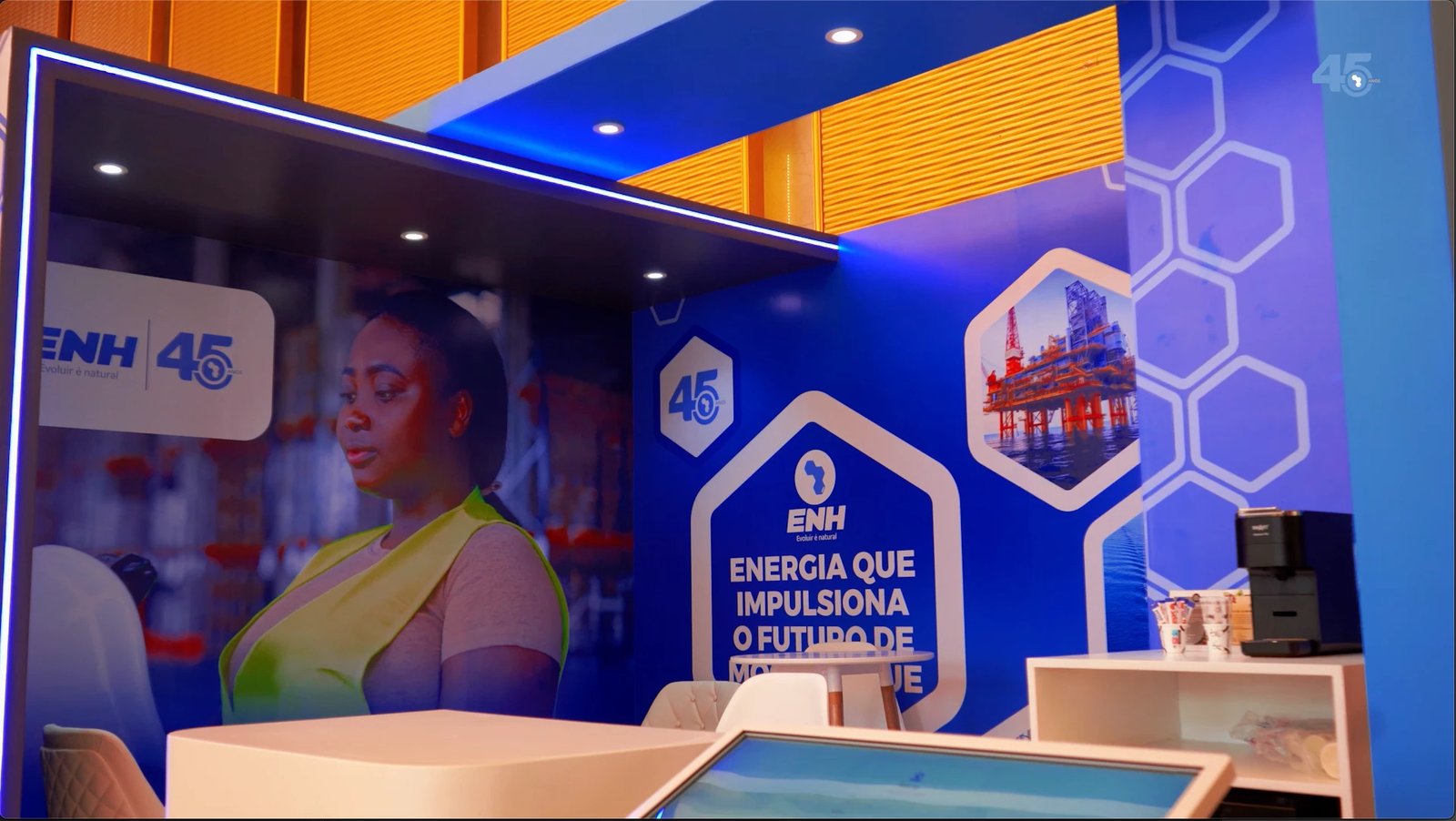
A conference happens once. There is no repeat of the opening speech nor a second chance to capture the signing of the memorandum. The difference between professional coverage and an amateur record is decided, largely, before the event.
4 to 6 weeks before
- Hire the video crew early. The best dates sell out, and the production company needs time to visit the venue and plan camera positions.
- Share the detailed agenda: who speaks, when, where. The key moments (announcements, signings, awards) should be flagged.
- Define the deliverables: daily highlights? Final film? One-on-one interviews? Each format requires its own logistics.
2 weeks before
- Technical site visit: light, sound, power points, camera positions that don't obstruct the audience or protocol.
- Connection to the sound desk: clean audio comes from the desk, not the room. Confirm with the sound company that outputs are available.
- Credentials and access for the film crew, including VIP and backstage areas if needed.
The day before
- Confirm any last-minute agenda changes.
- Align on a single point of contact: one person from the organization who decides capture priorities in real time.
During the event
- The video crew works best with real-time information: if the minister arrives early or the panel changes room, notify the production contact.
- Reserve 15 minutes with key speakers for quick interviews in a quiet space: it's the most reusable content of the event.
Afterwards
- Highlights in the first 24-48h take advantage of the peak of attention on social media.
- The final film (1-2 weeks) serves the report, the partners and the promotion of the next edition.
Renegade covers institutional and sector conferences in Mozambique with multi-camera capture and highlights within 24-48h. Request a quote.